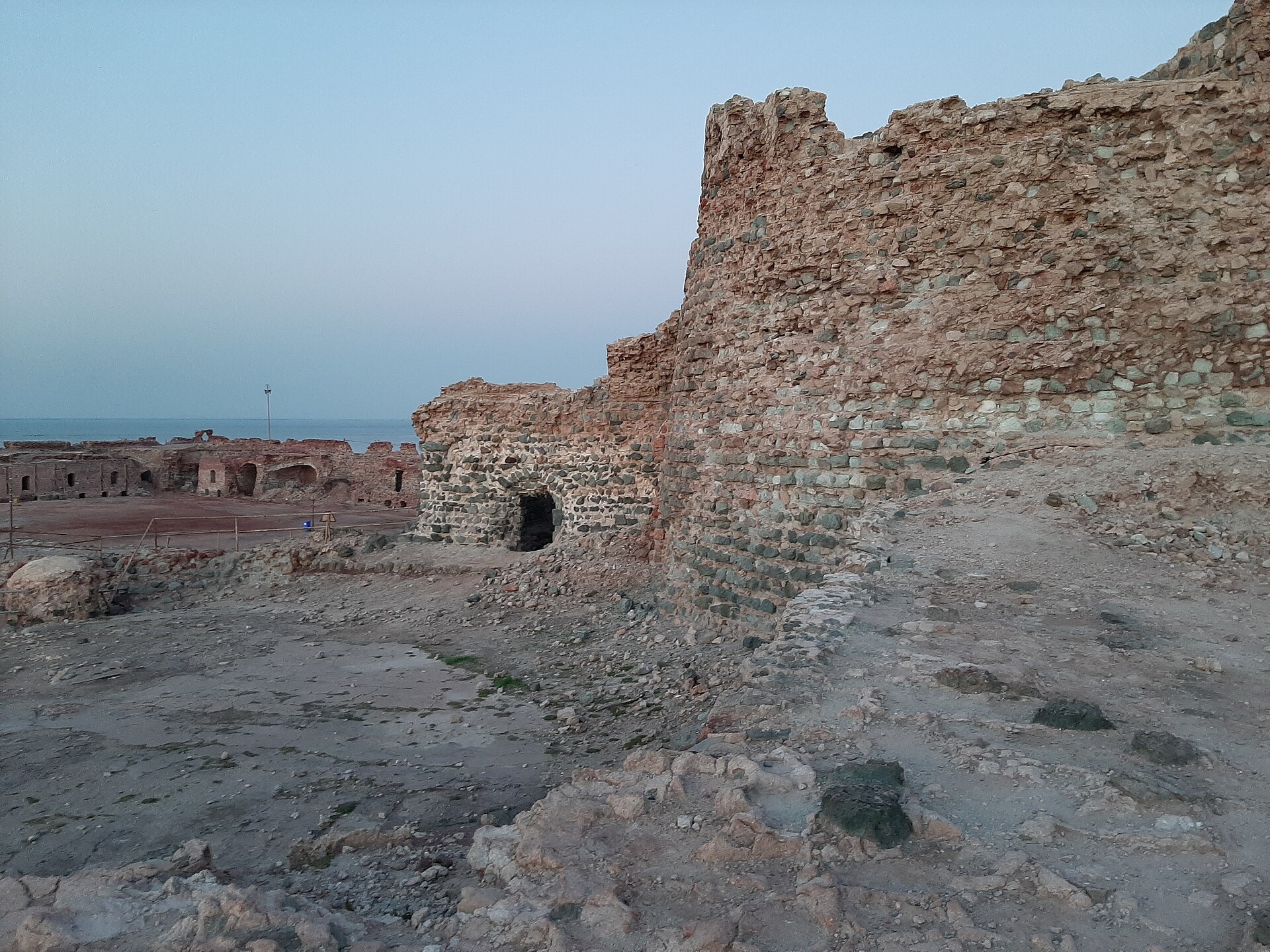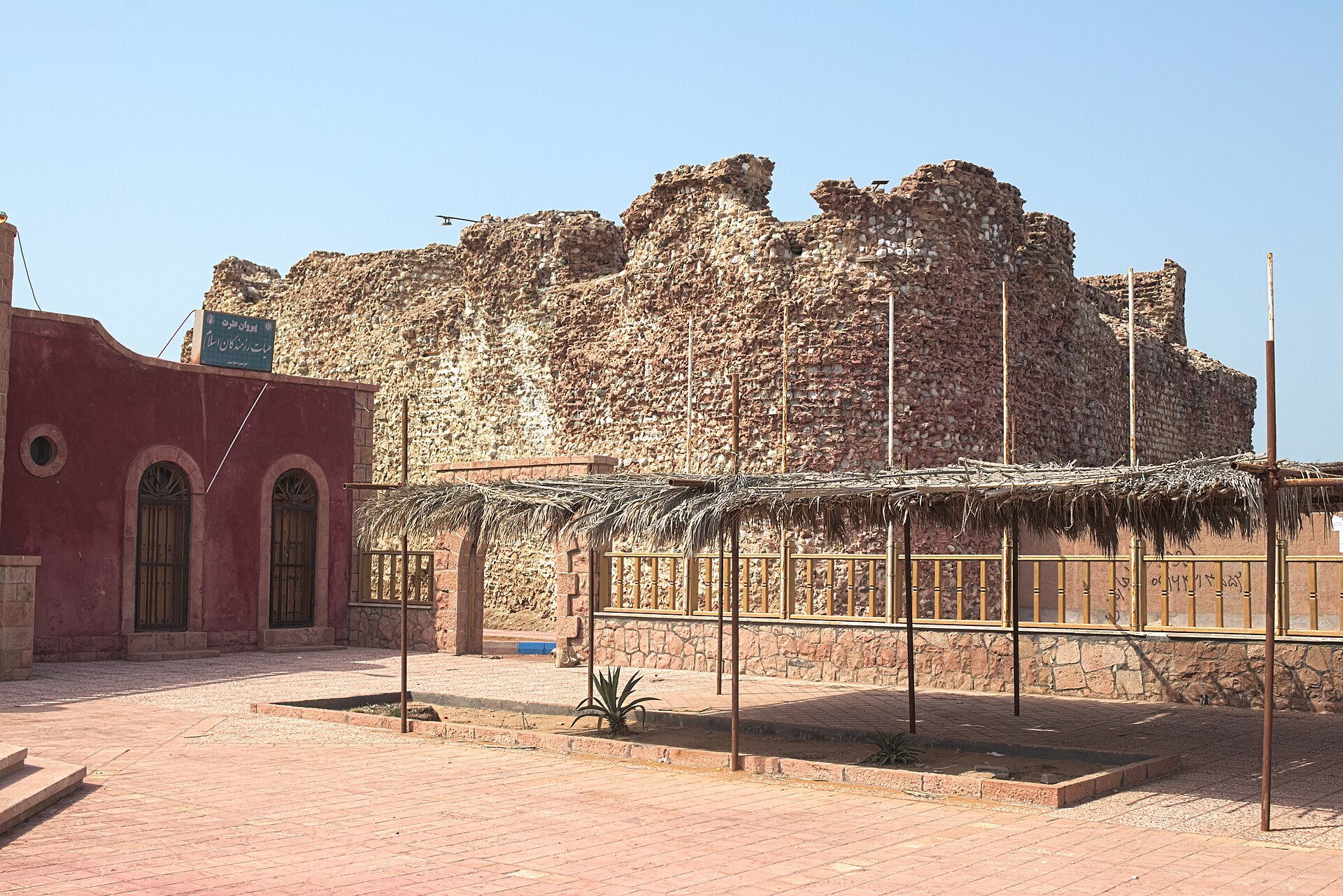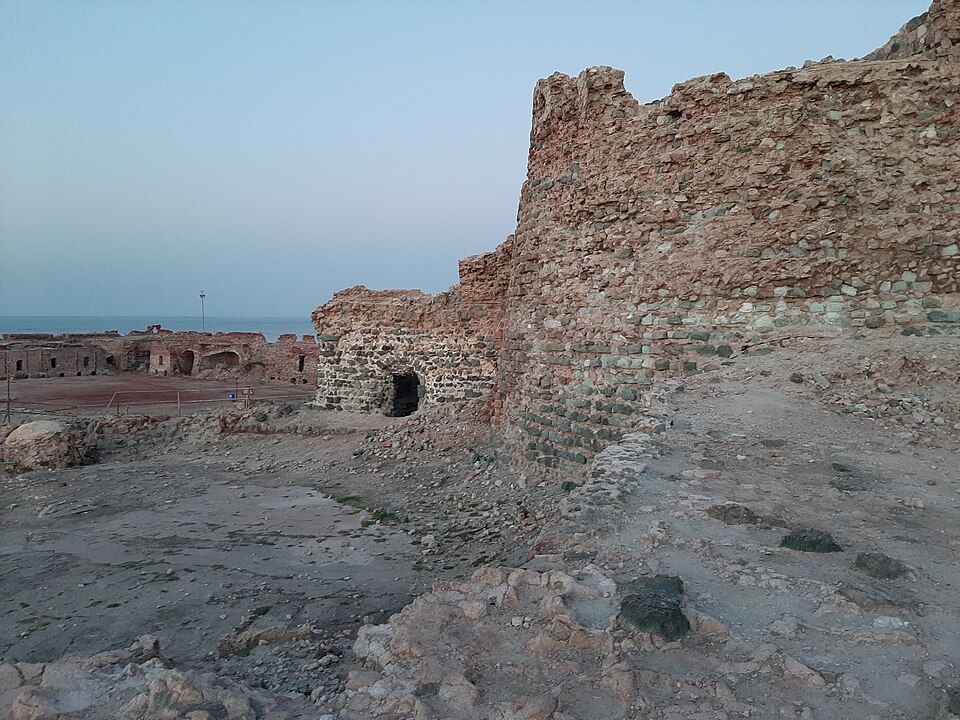
In 1507 the Portuguese commander Afonso de Albuquerque seized Hormuz, then one of the richest trading ports in the world, at the mouth of the Persian Gulf. The fortress the Portuguese built — Our Lady of the Conception — controlled shipping between India, Arabia and Persia for more than a century, until a Safavid army with English naval support took it in 1622.
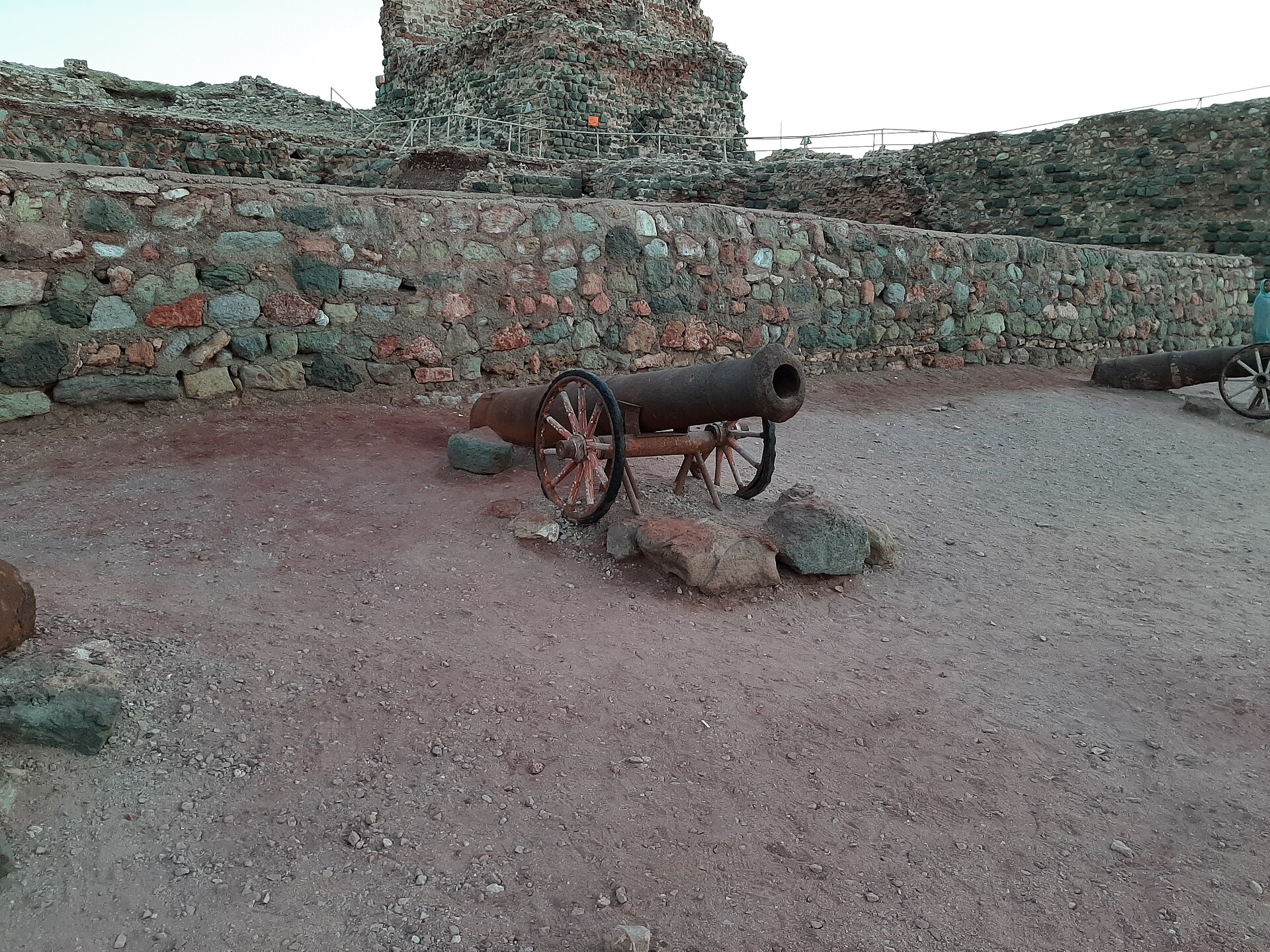
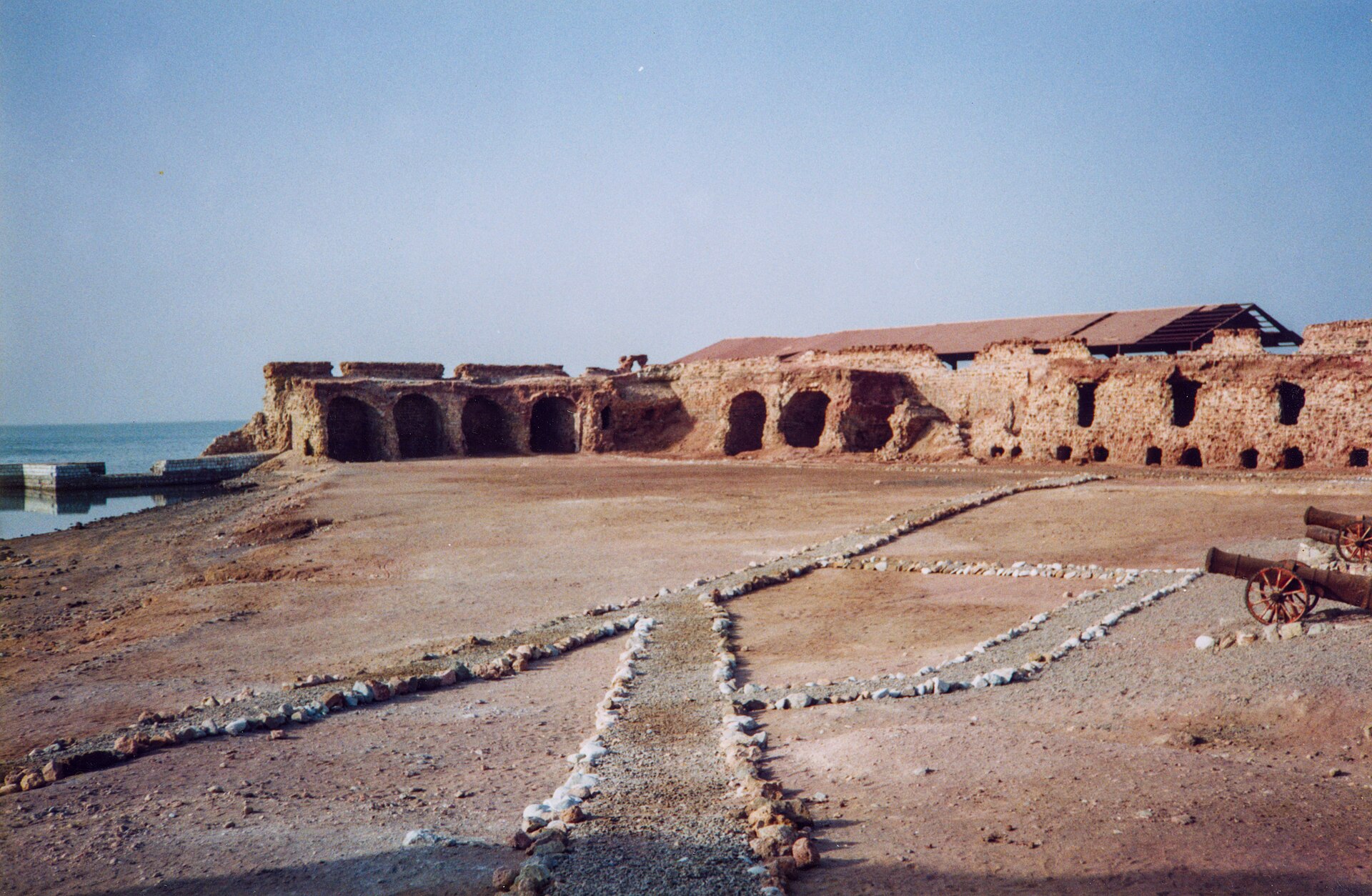
Today the red-stone walls stand on a narrow point of land at the northern tip of the island, with the sea on three sides. Inside you can explore the ramparts, rusting cannons and the vaulted cisterns that once stored the garrison’s water — a powerful reminder of the global trade routes that met here.
Highlights
- Red-stone ramparts surrounded by sea
- Old cannons on the walls
- Vaulted underground cisterns
- The story of the Portuguese in the Gulf
Gallery