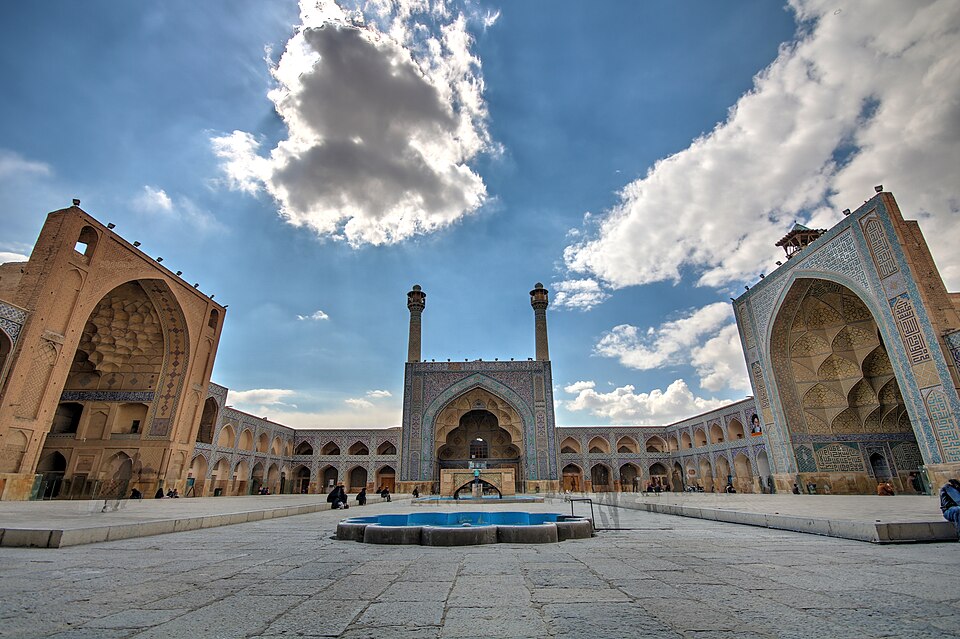
If the Shah Mosque is Isfahan’s showpiece, the Jameh (Friday) Mosque is its history book. Worship has taken place on this site since the 8th century, and almost every dynasty that ruled Iran — Buyids, Seljuks, Ilkhanids, Timurids and Safavids — added something. UNESCO listed it in 2012 as a unique record of twelve centuries of mosque architecture.
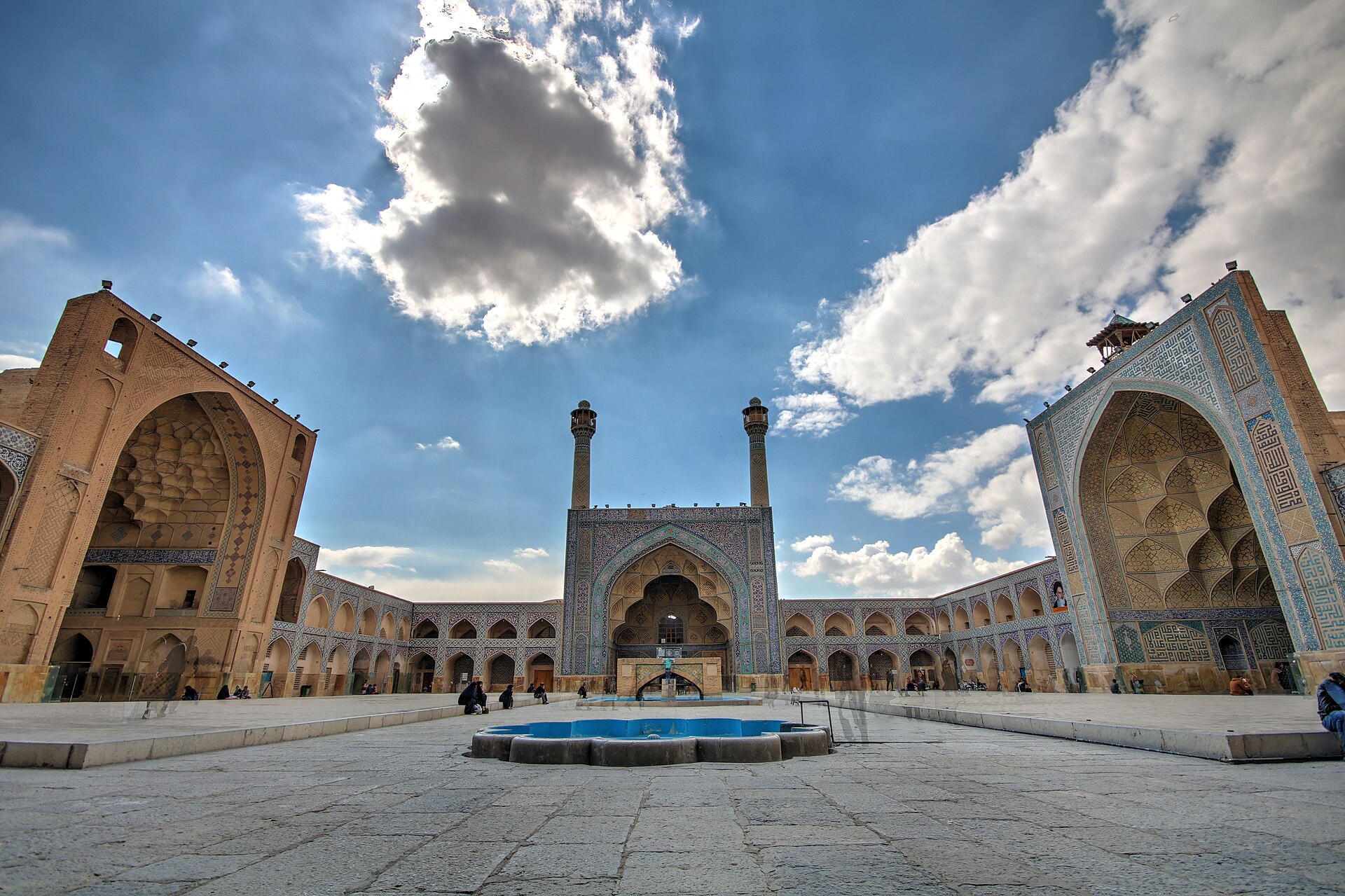
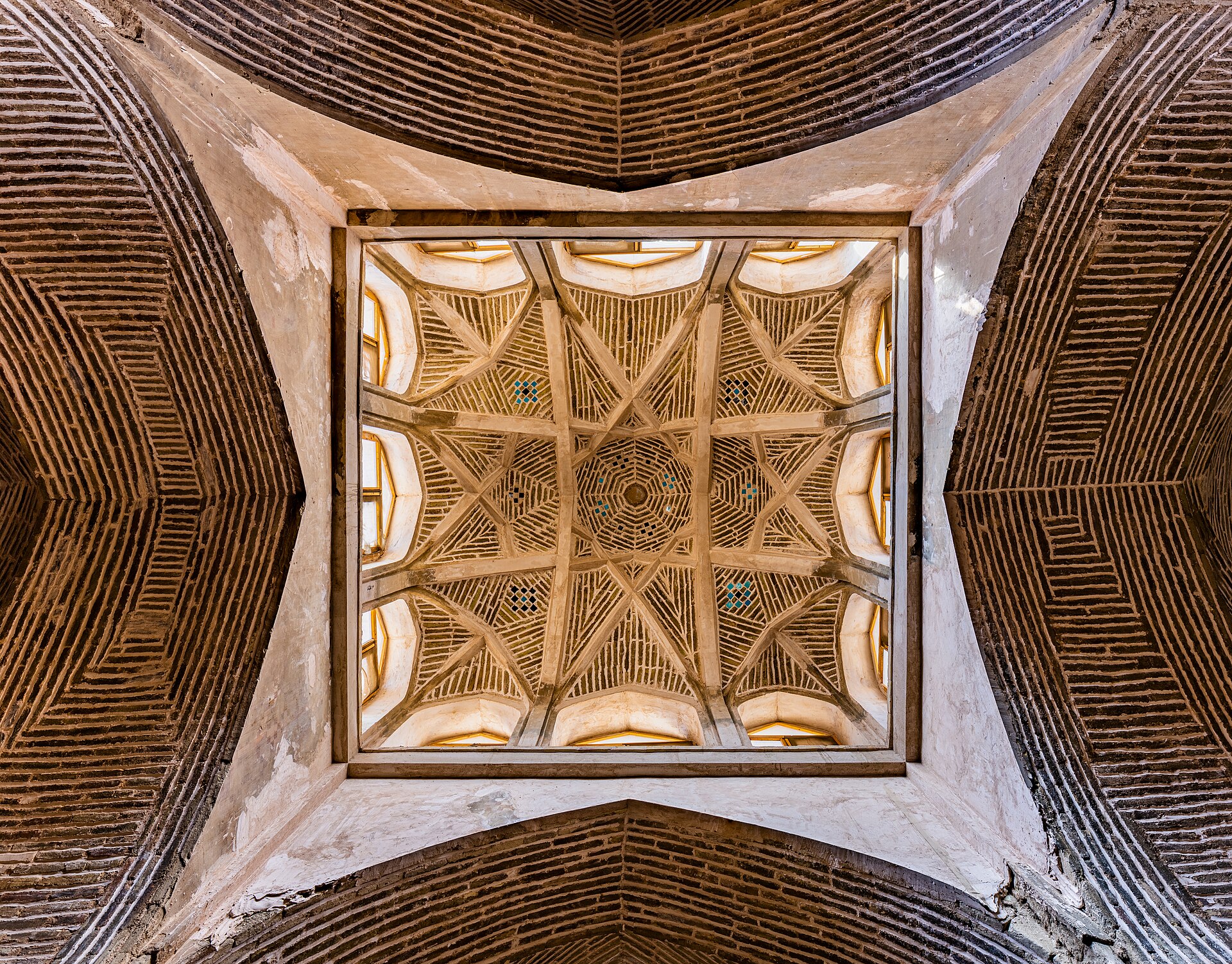
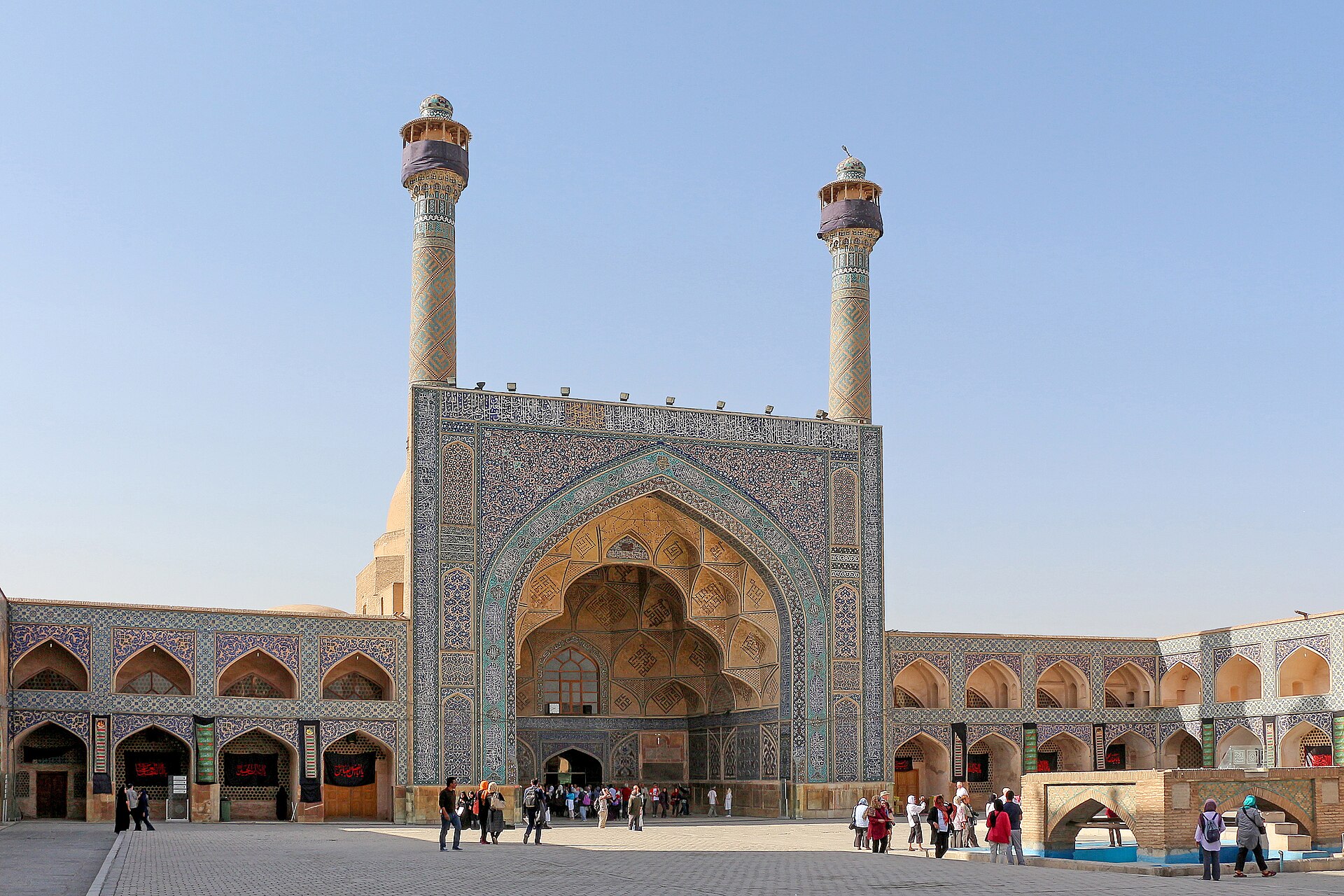
Its courtyard with four iwans, built under the Seljuks in the 11th–12th centuries, became the model for mosques across Iran and Central Asia. Two Seljuk domes survive: the great south dome over the mihrab, built under the vizier Nizam al-Mulk, and the small, perfectly proportioned north dome, admired as a masterpiece of brick geometry.
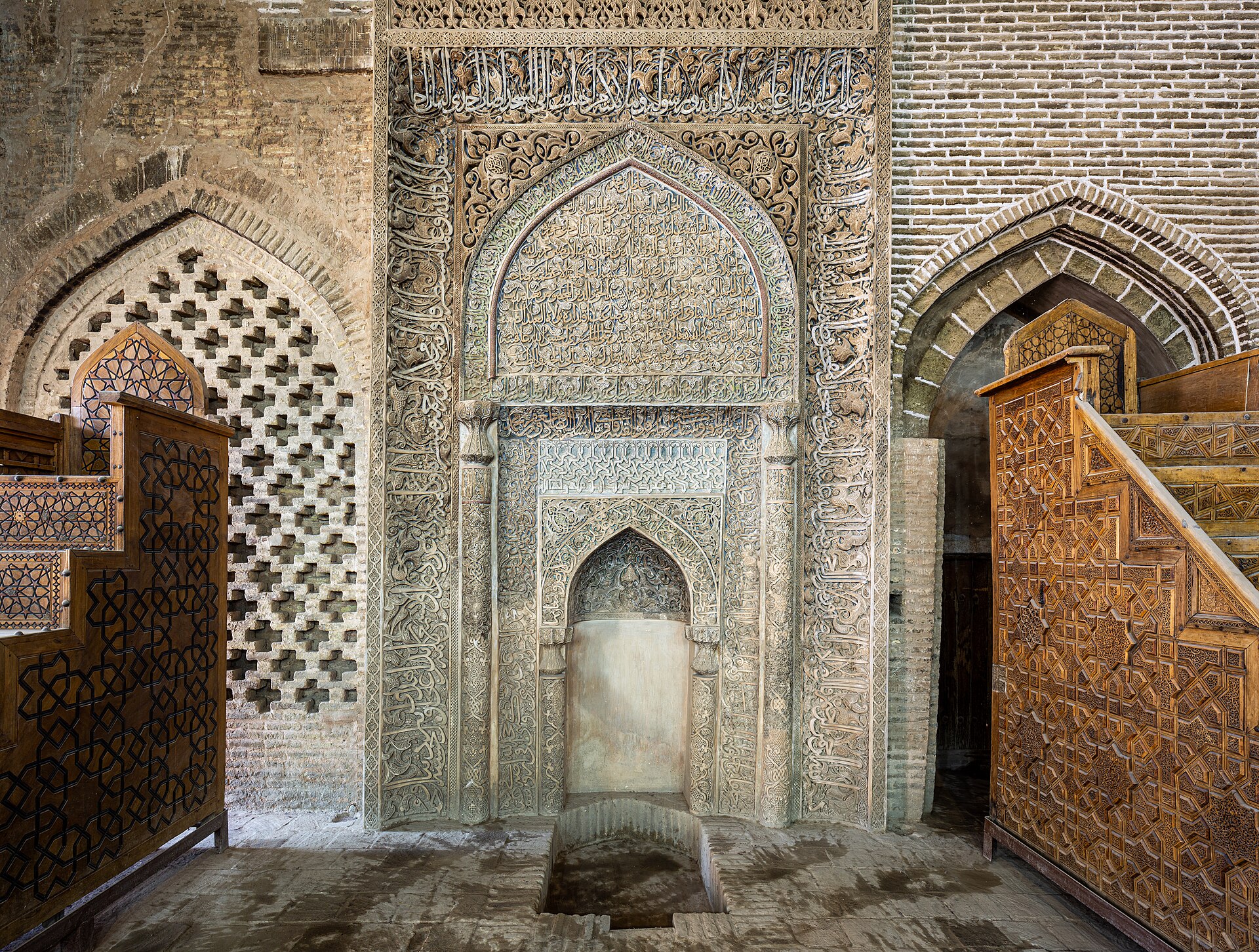
Wander into the forest of brick columns and you will find hundreds of vaults, no two alike. Do not miss the mihrab of the Ilkhanid ruler Öljaitü (1310), carved in breathtakingly fine stucco, or the Timurid winter hall, lit through thin alabaster panels. Few tourists linger here, which is part of its magic.
Highlights
- The four-iwan courtyard that shaped Persian mosques
- The perfectly proportioned Seljuk north dome
- Öljaitü’s carved stucco mihrab (1310)
- Hundreds of unique brick vaults
Gallery